
Tag: Artificial Intelligence
-
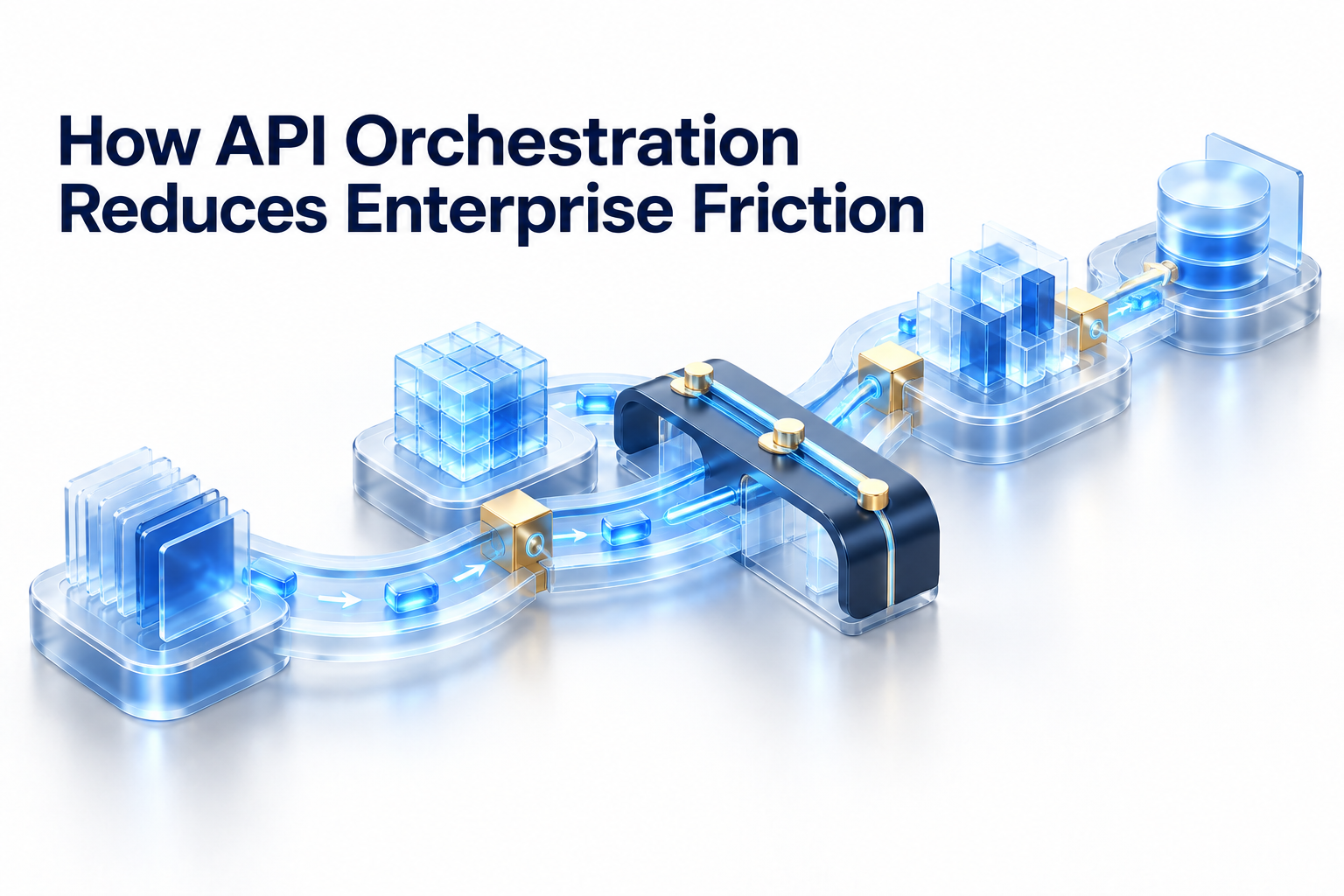
How API Orchestration Reduces Enterprise Friction
API orchestration aligns multiple systems to create a seamless business journey, reducing enterprise friction. It clarifies responsibilities, manages failures, and enhances visibility, ultimately improving processes that involve various internal and partner systems without complicating underlying interactions.
-
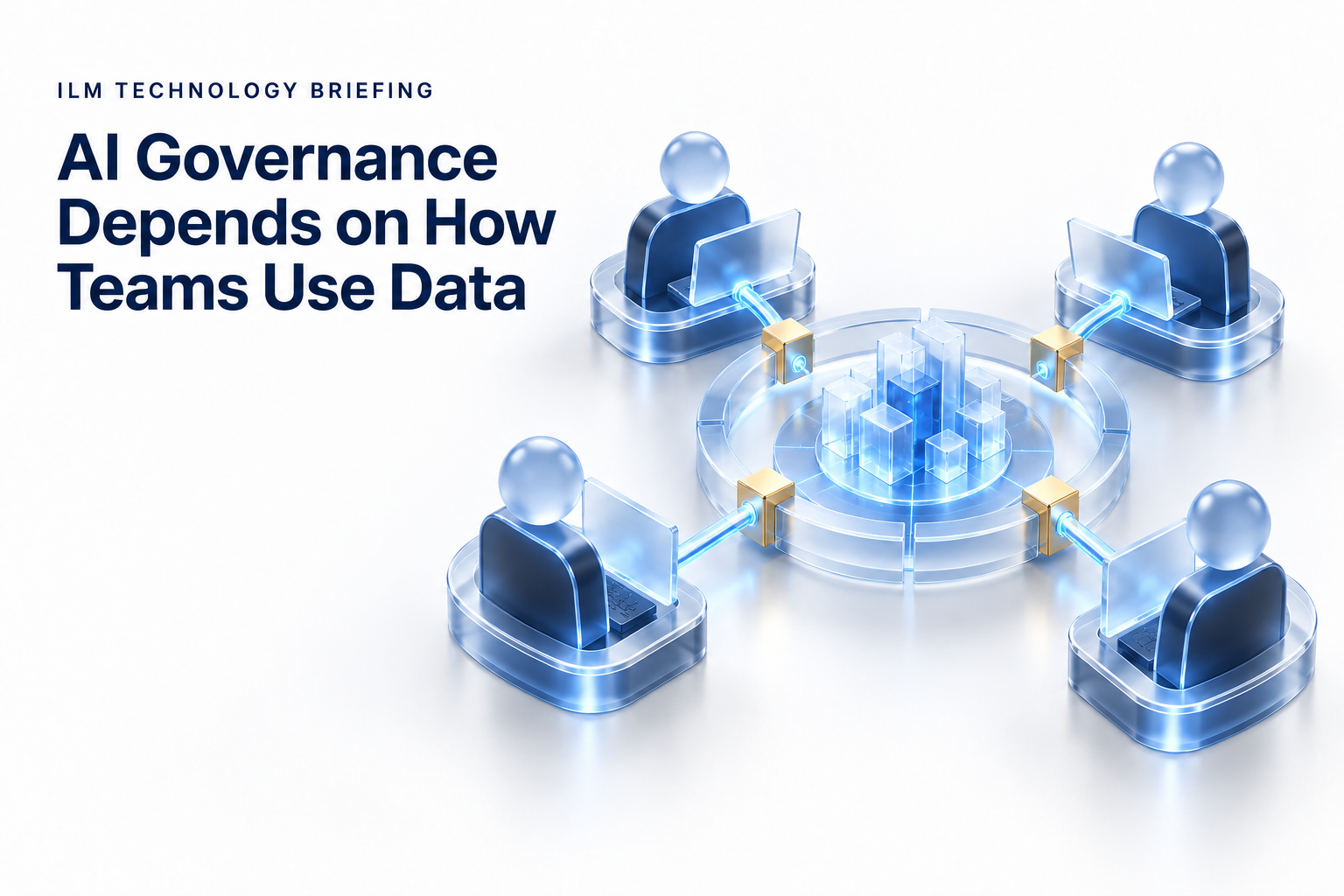
AI Governance Depends on How Teams Use Data
Gartner forecasts that by 2027, 60% of organizations failing to address cultural challenges will struggle with AI governance. Effective data governance requires clear policies, shared responsibility, and integrating practices into daily workflows for success.
-
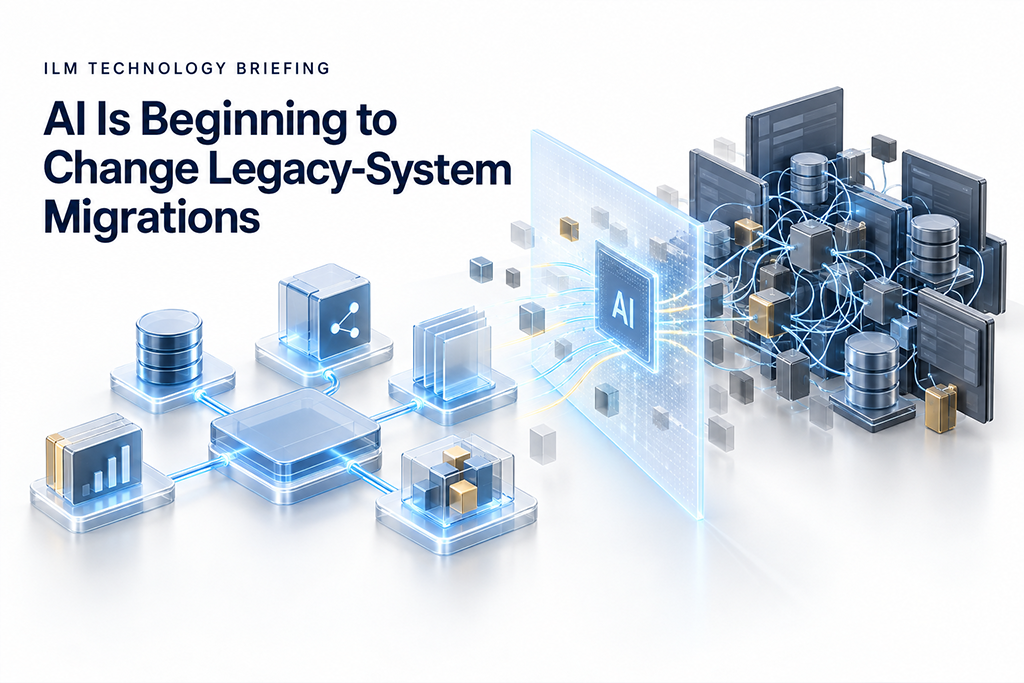
AI Is Beginning to Change Legacy-System Migrations
Microsoft’s Dynamics 365 Activate, launched on September 9, is an AI-driven tool aimed at simplifying the migration from Salesforce to Dynamics 365 by analyzing existing CRM complexities. Effective modernization, however, still relies on strategic business decisions.
-
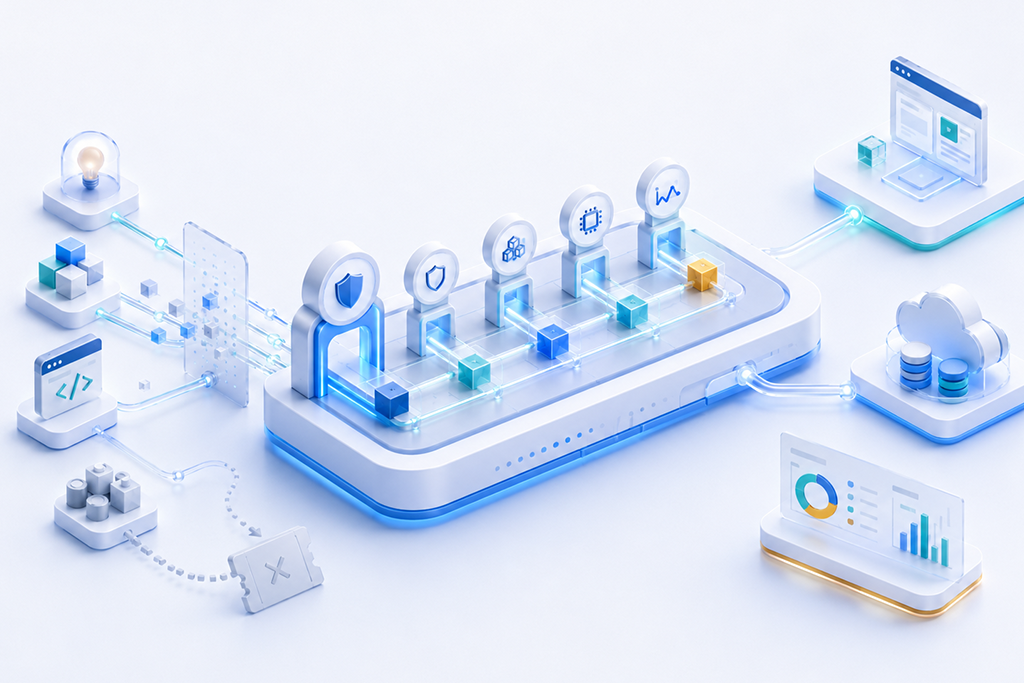
What Good Platform Engineering Looks Like for Mid-Market Teams
As companies grow, software delivery slows due to informal processes and reliance on key individuals. Effective platform engineering simplifies development, enhances governance, and improves collaboration by offering reusable capabilities and self-service paths tailored for mid-market teams.
-

How to Control AI Token Spend Without Sacrificing Results
AI pilots can manage token spend by defining clear business outcomes, establishing quality baselines, and optimizing workflows. Effective cost management requires relevant context, disciplined agent boundaries, and regular reviews to ensure value in AI implementations.
-

What Are AI Tokens? A Business Leader’s Guide to AI Spend
AI tokens measure content processing in AI systems, influencing costs and workflows. Understanding their role helps business leaders evaluate AI effectiveness, prioritize valuable applications, and assess the balance between token usage and desired outcomes efficiently.
-

What to Rehost, Replatform, Refactor, or Rebuild
The right modernization strategy for applications hinges on addressing specific business needs, with options including rehosting, replatforming, refactoring, or rebuilding, tailored to enhance scalability, maintainability, and cost-effectiveness without unnecessary disruption.
-

Microsoft Work IQ Shows Why Businesses Need an AI Readiness Plan Before Adding More Tools
AI adoption is evolving from independent tools to integrated agents that enhance workflows across systems. Organizations must assess data access, governance, and measurable outcomes to maximize AI’s potential while ensuring human oversight and control remain intact.
-

Why Technical Debt Remediation Should Be Tied to Business Outcomes
Technical debt remediation adds value by reducing delivery friction and improving scalability, maintainability, and cost control. It should focus on business outcomes, prioritizing modernization efforts based on their impact on operational effectiveness and growth potential.
-

How to Reduce Environment Drift and Manual Deployment Risk
Environment drift compromises consistency across development, testing, and production systems, escalating deployment risks and delaying releases. Establishing source control, automating deployments, and standardizing components can mitigate these issues and enhance software delivery.